
Jasper Takes His Walk Every Day. So Can You.
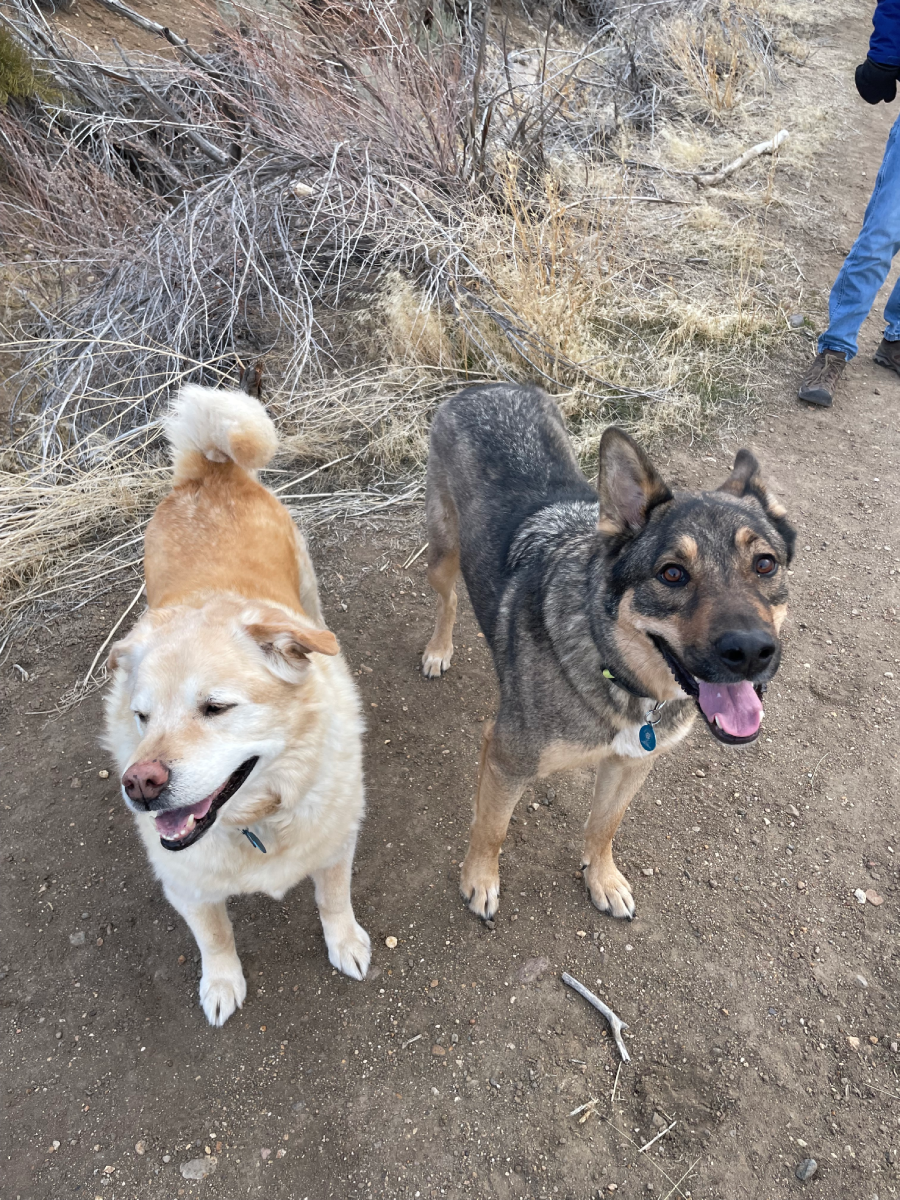
If you’ve ever watched an older dog on a walk, you’ve seen something quietly profound. They may be slower than they used to be, and they might need to rest, but they still want go. Every day.
That’s Jasper. He’s almost 14. He shares his walks with Goji, who’s 5. Goji bounds up hills, full of energy, the picture of ease. But Jasper doesn’t try to keep up. He does his walk at his pace, and he’s proud of it.
The Comparison That’s Hurting You
One of the most painful things we hear from patients living with chronic pain isn’t about the pain itself — it’s about the grief of comparison.
“I used to be able to hike for hours.”
“I used to play with my kids without thinking twice.”
“I don’t know who I am anymore if I can’t do those things.”
This kind of self-comparison — holding your current capacity up against a version of yourself from five or ten years ago — isn’t motivation. It’s suffering layered on top of suffering. And it’s one of the most common patterns we see in people managing chronic pain and depression together.
What Dr. THUNDER Wants You to Hear
Dr. Thunder says it plainly: none of us can do at 50 what we did at 30. Unfortunately, when you’re also managing pain, the gap can feel like a failure. Like something is wrong with you.
That's why it's worth adopting the Jasper philosophy of life. Jasper gets out every day and does what he can — and that’s worth being proud of.
The work we do at Thunder Pain and Wellness is partly clinical — we offer treatments like SPRAVATO, IV ketamine, and TMS therapy. But it’s also this: helping patients build a relationship with themselves that doesn’t require them to be who they were before the pain. That’s not giving up. That’s healing.
A Practice Worth Trying
This week, try replacing “I used to be able to…” with “Today I…”
Today I took a short walk. Today I made it to my appointment. Today I rested when I needed to.
That’s your walk. And it counts.
If you’re living with chronic pain and struggling with more than just the physical, you’re not alone — and you don’t have to manage it alone. Reach out to our team to learn more about what treatment options might be right for you.
FAQs
Can people with chronic pain still exercise?
Yes — and gentle, consistent movement is often one of the most effective tools for managing chronic pain. The key is matching activity to your current capacity, not to what you could do before your pain began. Even short daily walks can reduce inflammation, improve mood, and support the nervous system over time.
What is the connection between chronic pain and depression?
Chronic pain and depression share overlapping neurological pathways and frequently co-occur. Living with persistent pain can deplete serotonin and dopamine, disrupt sleep, and limit meaningful activities — all of which contribute to depression. Treating both conditions together tends to produce better outcomes.
What treatments are available for chronic pain and depression together?
Thunder Pain and Wellness specializes in treatments for patients whose pain and depression haven't responded to conventional care, including SPRAVATO (esketamine), IV ketamine therapy, and TMS (transcranial magnetic stimulation).

Chronic Pain Treatments
Learn More
Keep
In Touch

Our Services
Contact Info
Hours of Operation
- Monday 8:00 AM - 5:00 PM
- Tuesday 8:00 AM - 5:00 PM
- Wednesday 8:00 AM - 5:00 PM
- Thursday 8:00 AM - 5:00 PM
- Friday 8:00 AM - 5:00 PM
- Saturday Closed
- Sunday Closed
© 2026 Thunder Pain and Wellness. All rights Reserved. Accessibility Statement - Privacy Policy - Sitemap
Powered by:
